

Kling AI Review (2026)
Shockingly real motion at a volume-friendly price
Top5Apps editorial · Last tested & updated September 3, 2026 · Reviewed under The Receipts Standard
Developer
Kuaishou
Free tier
Yes — daily credits
Paid from
~$7/mo
Platforms
Web, iOS, Android, API
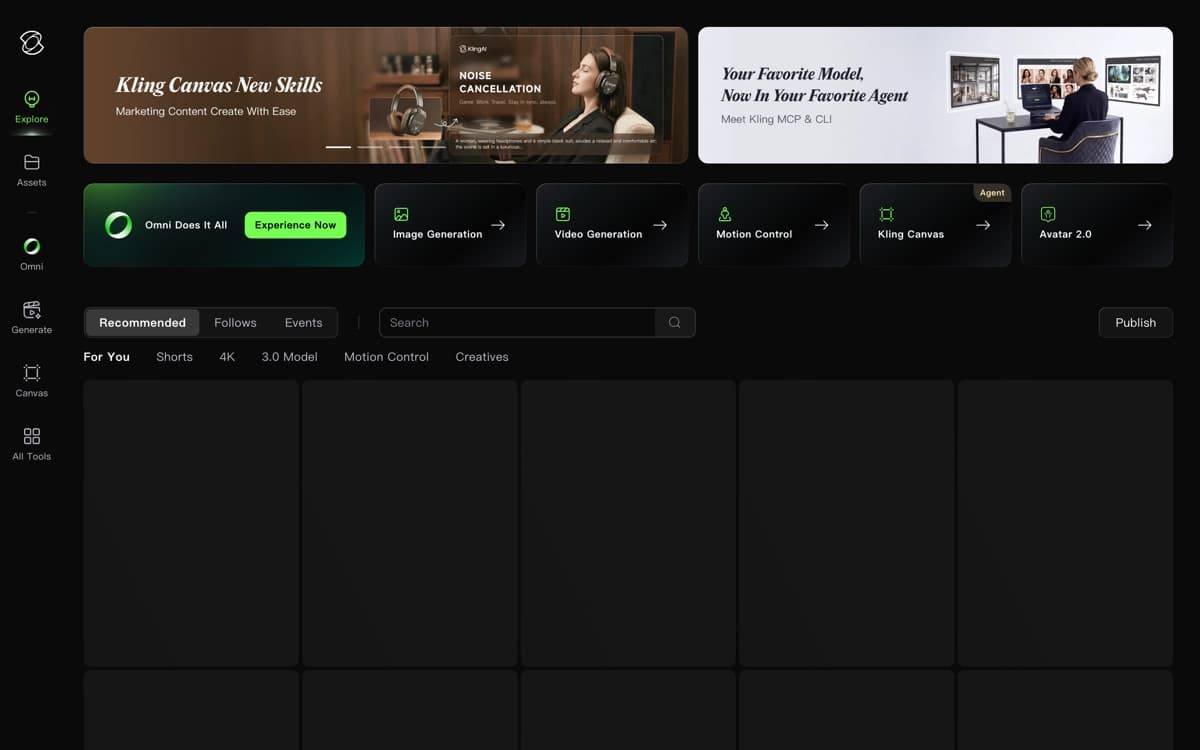
What is Kling AI?
Kling came out of Kuaishou — TikTok rival, short-video DNA — and it generates the most believable human motion in the business. Dancers land jumps with weight, athletes move like athletes, fabric and hair behave. Kling 3.0 stretched coherent generation lengths further than the Western labs while adding audio and multi-shot narrative support, and its realism in blind tests now trades the top spot with Veo depending on the shot type. The receipts are public, too: Kuaishou's Q1 2026 earnings put Kling at over RMB 650 million (~$90M) in quarterly revenue, up 300% year over year, with an annualized run rate around $500 million by March.
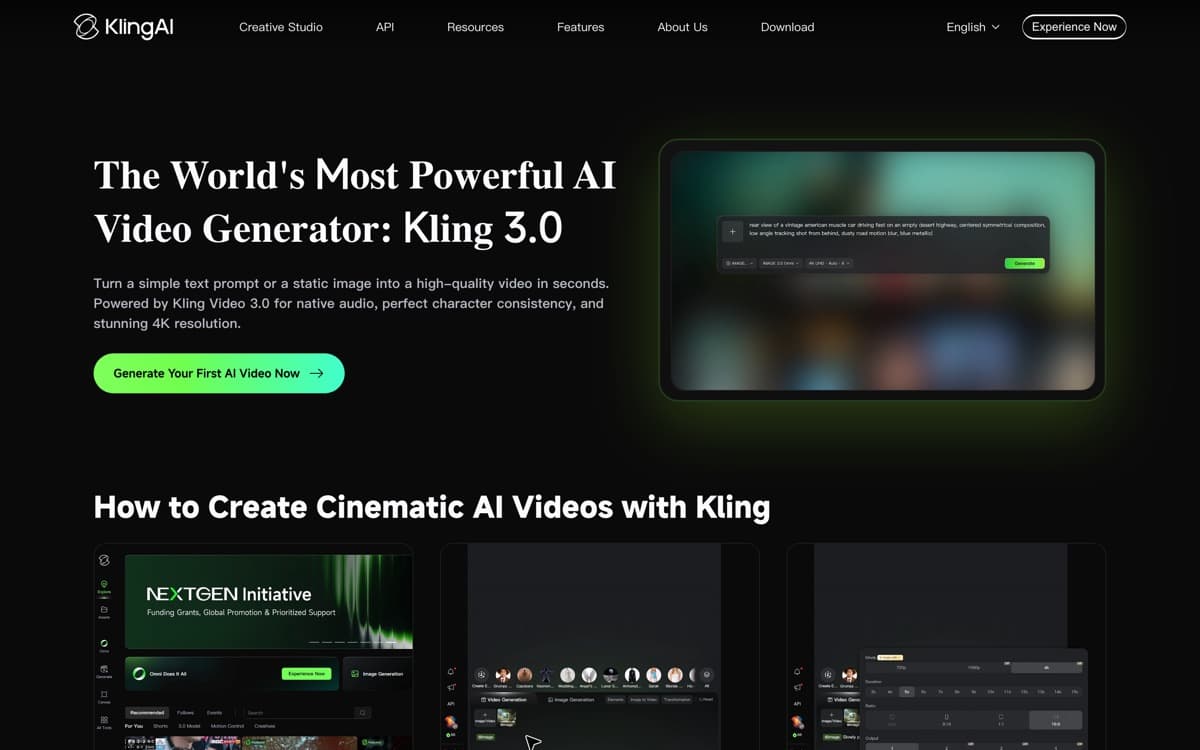
The other headline is price. Free users get daily credits; paid plans start around the cost of a coffee; and volume pricing undercuts Veo and Runway dramatically. That combination — near-frontier quality, actual volume affordability — made Kling the workhorse for social-content studios and VFX previz. The trade-offs are a clunkier interface, queues at the cheap end, and a parent company some Western enterprises won't clear with legal. For everyone else, the price-performance is unmatched.
Kling AI: pros and cons
Pros
- Kling 3.0's human motion and physics are the most convincing in high-action shots
- Longer coherent clips than most rivals, with multi-shot support
- Free daily credits and the cheapest capable paid tier here
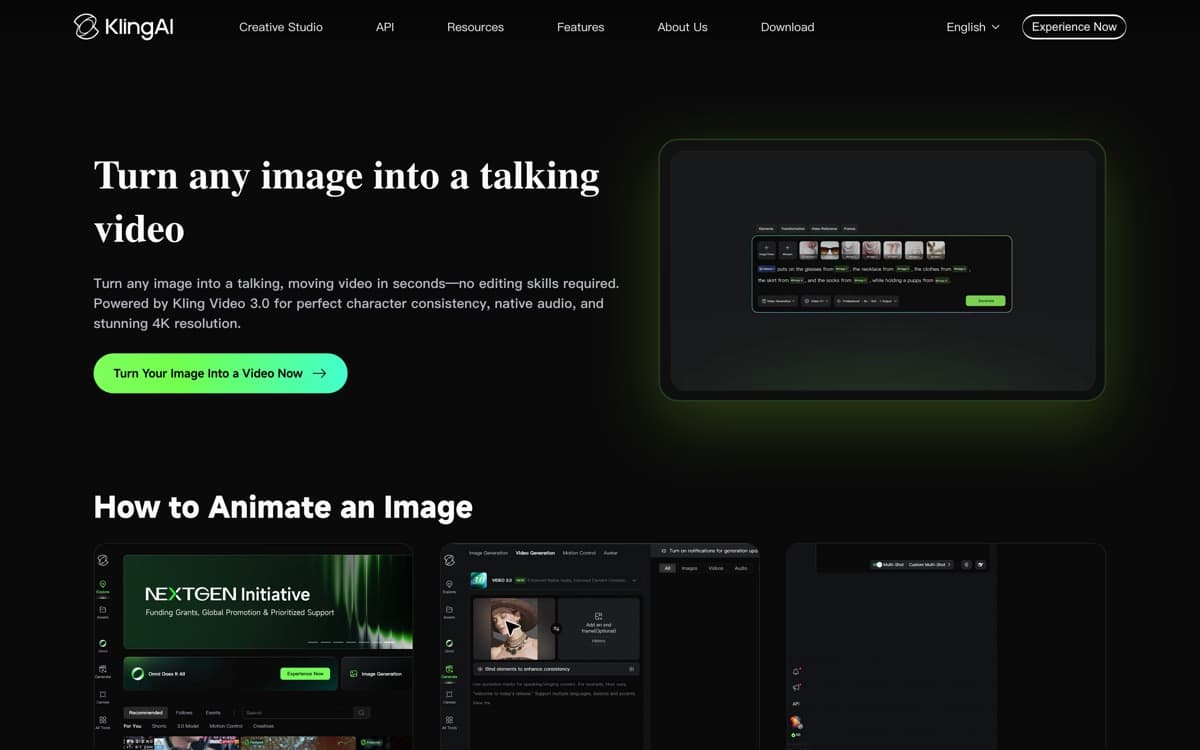
- Strong image-to-video with expressive lip-sync and audio
- Elements system carries characters and props across generations
Cons
- Interface and docs feel less polished than Western rivals
- Queue times on free/cheap tiers can be long
- Data-residency questions give some enterprises pause (Chinese parent company)
Standout features
Motion realism
High-action prompts — sports, dance, crowds, animals — that turn to mush elsewhere hold together in Kling. If your content involves bodies moving fast, test Kling first.
Length and multi-shot coherence
Longer single generations plus native multi-shot sequencing mean fewer stitches and cuts to hide. Kling 3.0 sustains scenes that force competitors into 8-second fragments.
Aggressive pricing
Daily free credits, paid plans from roughly $7/month, and volume rates that let a small studio actually produce daily content without a Hollywood budget.
Kling AI pricing
Free accounts receive daily credit drips (with watermarks and queues). Paid tiers run roughly $7–90/month depending on credit volume and priority; annual billing discounts steeply. API access prices per second at rates that consistently undercut Western rivals.
Credits scale with resolution, duration, and model version — 3.0 at full quality burns several times faster than the older models, so prototyping on 2.x remains a sensible economy.
Our verdict
Kling is the volume creator's pick and the motion king. It lacks Veo's audio polish and Runway's editing depth, but for turning a content calendar into actual daily output — especially anything with humans in motion — it delivers more usable seconds per dollar than anything else in 2026.
Skip it if: Enterprise data-governance review is non-negotiable in your org, or you need polished English-first documentation and support — Kling's product outruns its packaging.
4.5 / 5 — #3 in AI Video Generators 2026
Kling AI: FAQ
Is Kling AI free?
Yes — free accounts get daily credits with watermarked, queued generations. Paid plans from roughly $7/month remove watermarks and add priority; costs scale with resolution and clip length.
Is Kling better than Veo?
On high-motion realism and price, Kling often wins; on prompt adherence, native audio quality, and tooling, Veo leads. Serious shops keep both and route shots accordingly.
Can I use Kling videos commercially?
Paid tiers include commercial rights and remove watermarks. As with all generators, you're responsible for likeness and trademark issues in what you depict.
Related rankings: best AI image generators · best AI audio tools · best AI voice generators