
Rankings updated November 2026 | Mission control for AI apps
Thousands of AI apps launch every month.Here are the apps you need to use.
We use the contenders in every category — chatbots, coding, image, video, voice, meetings — cut everything that isn't worth your money, and tell you exactly who each survivor is for. And who should skip it.
The tools we test, daily



70
Apps tested hands-on
Every review, used for real work
14
Categories ranked
Re-tested on every major release
5
Picks per category
Never more. Cuts are the product
0
Paid placements
Rankings are not for sale
All ranking moves logged | View changelog
01 / Rankings
Best AI apps by category
AI Chatbots
The general-purpose assistants that answer questions, write, code, and research for you — ranked head-to-head.
#1 · ChatGPT
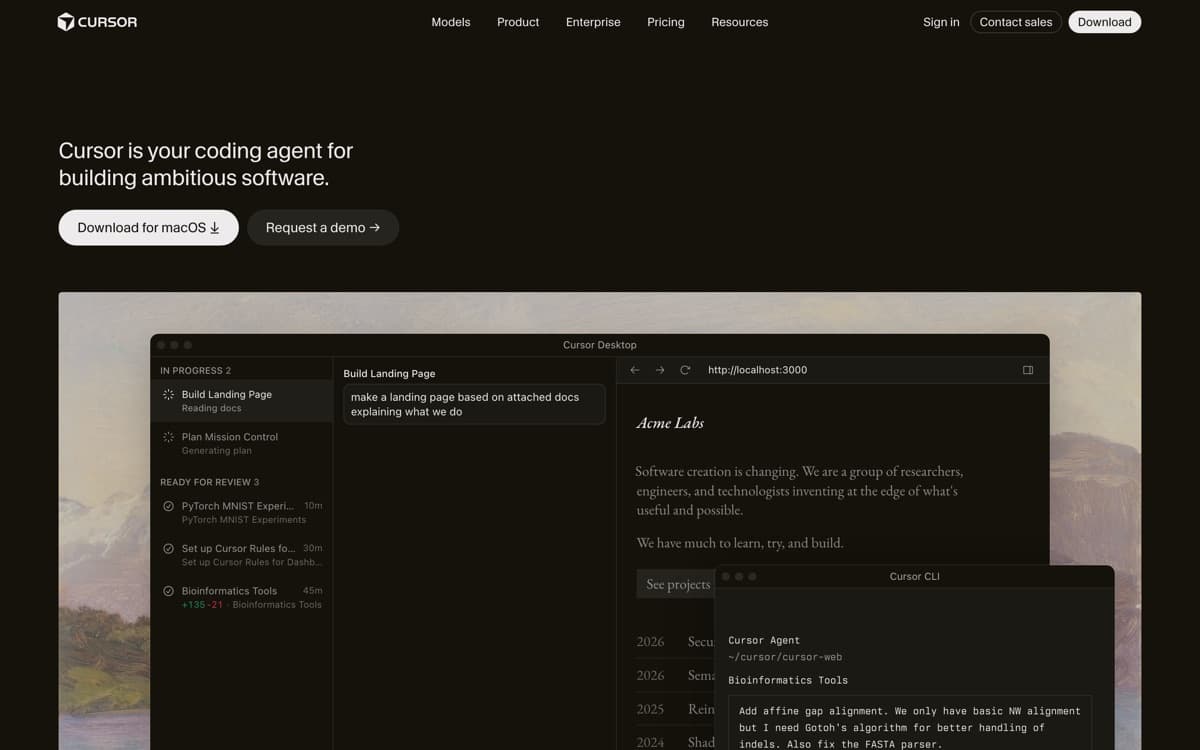
AI Code Editors
IDEs and agents that write, refactor, and review code — from autocomplete to autonomous engineering.
#1 · Cursor
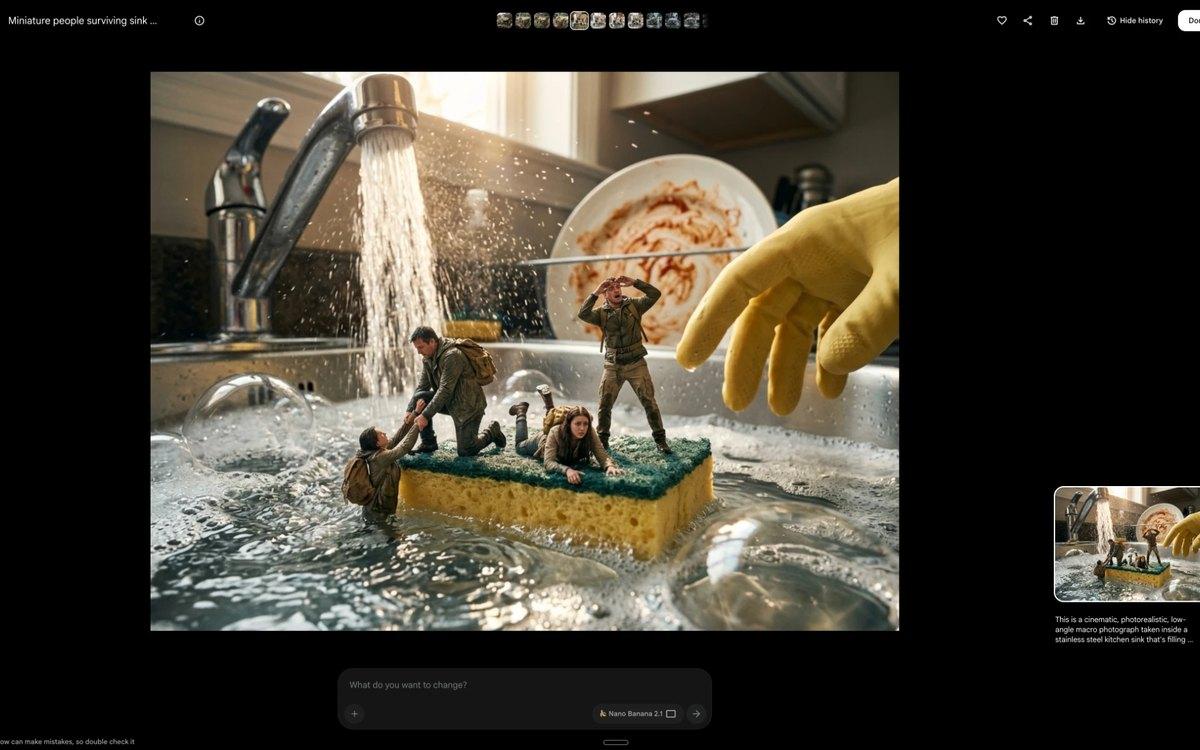
AI Image Generators
Text-to-image tools compared on realism, editing control, text rendering, and cost per great image.
#1 · Nano Banana Pro
AI Video Generators
Text-to-video and image-to-video tools ranked on realism, motion, native audio, and editing control.
#1 · Google Veo 3.1
AI Voice Generators
Text-to-speech, voice cloning, and real-time voice AI — ranked for realism, emotion, and production workflow.
#1 · ElevenLabs
AI Audio Tools
Music generation, podcast production, speech cleanup, and stem separation — the audio stack, ranked.
#1 · Suno
AI Notetakers
Meeting assistants that transcribe, summarize, and file the follow-ups — so you can actually be present.
#1 · Granola
AI Dictation
Speak instead of type, everywhere — voice-to-text that cleans your rambling into finished writing.
#1 · Wispr Flow
AI Presentation Makers
Prompt to finished deck — outline, design, and real editable slides — ranked on what survives a real meeting.
#1 · Gamma
AI Website Builders
Prompt to published website — ranked on what ships, what exports, and what a credit actually buys.
#1 · Lovable
MCP Servers
The plugs that connect AI agents to your tools — ranked on setup, capability, token cost, and security.
#1 · GitHub MCP Server
Open-Source AI Models
The AI models you can download and run on your own machine — with the install command, memory needs, and machine costs printed.
#1 · Qwen3.8-27B
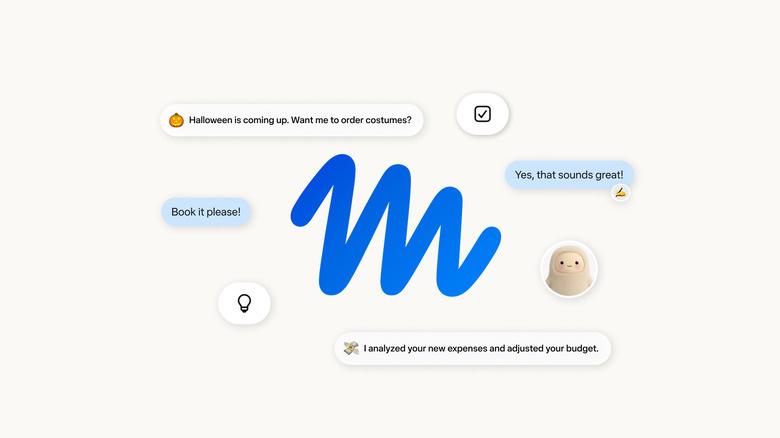
Personal AI Agents
The agents that book, buy, email, and call on your behalf — ranked on capability, reliability, and how safely they handle your accounts.
#1 · Meta Muse
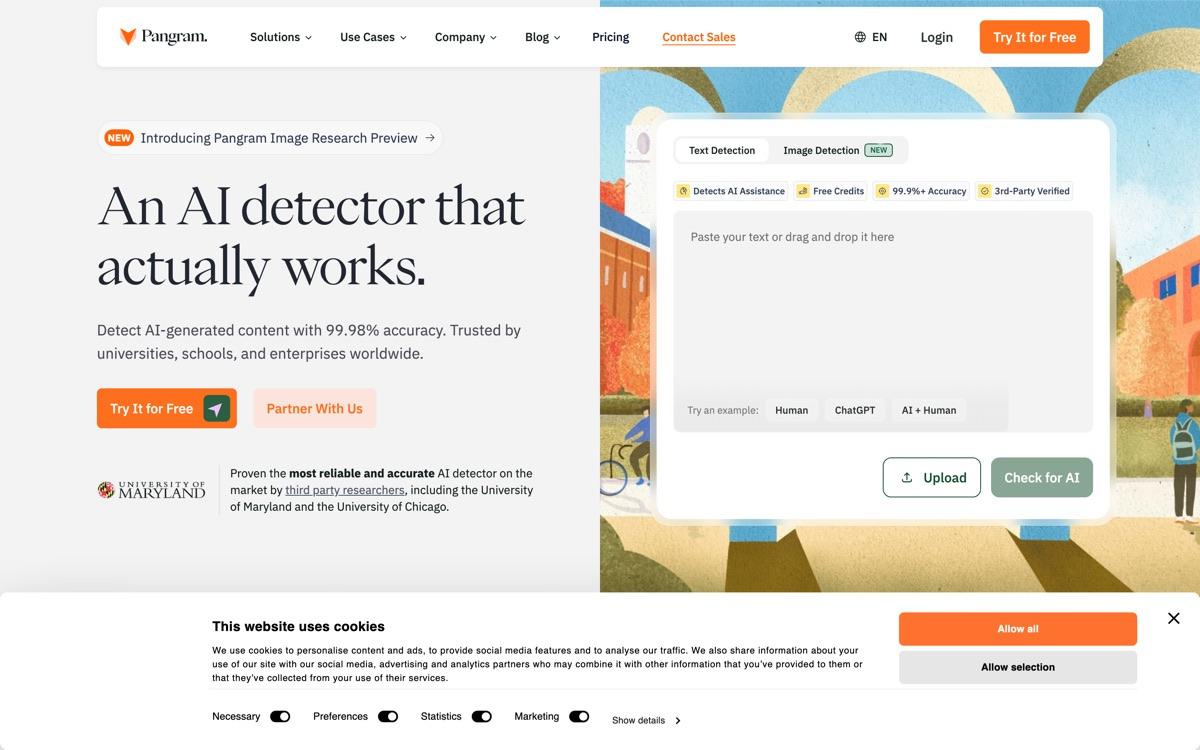
AI Detectors
Tools that estimate whether text was written by AI — ranked on accuracy, false positives, and honest reporting.
#1 · Pangram
02 / Top picks
The winners, if you're in a hurry
Our current #1 in each category — one click to the full review.

AI Chatbots
ChatGPT

AI Code Editors
Cursor
AI Image Generators
Nano Banana Pro

AI Video Generators
Google Veo 3.1
AI Voice Generators
ElevenLabs

AI Audio Tools
Suno

AI Notetakers
Granola

AI Dictation
Wispr Flow

AI Presentation Makers
Gamma

AI Website Builders
Lovable
MCP Servers
GitHub MCP Server
Open-Source AI Models
Qwen3.8-27B
Personal AI Agents
Meta Muse

AI Detectors
Pangram
03 / Signals
Latest from the AI world
Signals
What Is Claude Code's Code Mode? How to Turn It On, What It Changes About Permissions, Where It Doesn't Work Yet, and Whether It Saves Time
Claude Code 2.1.323 added an experimental Code Mode on November 12, 2026: Claude writes a short JavaScript script that makes several tool calls in one step, and only the result it needs comes back. You turn it on with one environment variable, and it works only in an interactive terminal session. In auto mode the safety classifier reviews the whole script in place of each call. Early outside tests show 37% to 55% fewer tokens and no speed gain, and Anthropic has published no figure. The steps, the seven requirements, the limits, how Codex, OpenCode and Pi do the same thing, and who should wait.
November 15, 2026
Guides
How Do You Make an AI Video That Looks Like The Office? The Jensen Huang Parody, the Tool Its Maker Named, and Why the Format Keeps Going Viral
An AI-generated Office parody in which Michael Scott welcomes Jensen Huang to Dunder Mifflin passed 6 million views on X within two days of Huang's resignation from Nvidia. The maker said in his replies that he used MiniMax H3 on fal.ai and spent about two hours. We cut the video into shots: five talking-head interviews carry 47% of the runtime, and the longest unbroken shot is 15 seconds, the model's limit. Why the format works, with quotes from the show's own camera crew, a step-by-step method for original characters, a table of five current video tools, and the rights picture, including the studio's lawsuit against the company that made the model.
November 14, 2026
Signals
What Is ChatGPT Wallet? OpenAI's Dots Can Now Check Out for You. How the Token Works, Who Pays When a Purchase Goes Wrong, and How It Compares With Stripe Link, Muse and Walmart
OpenAI launched ChatGPT Wallet on November 13, 2026. A dot can now find a product, fill in a store's checkout and pay with a one-purchase token from Visa, Mastercard or American Express, after the user approves each purchase with Face ID or a fingerprint. It is limited to US ChatGPT Pro subscribers with eligible credit cards. We read OpenAI's terms, privacy notice and merchant guide: the store is the seller, OpenAI doesn't fund refunds or chargebacks, and the terms already allow approval in advance. How a purchase works, what US card law covers, where it won't work, the rival agent-payment products from Stripe, Meta, Anthropic, Walmart and Google, and what store owners should check.
November 14, 2026
Signals
Why Is AI Bringing Down Design Jobs While PM Jobs Explode? We Checked Lenny's Numbers. Design Openings Did Hit a Record Low, PM Hiring Isn't Growing, and the Count Changed Since March
Lenny Rachitsky's late-2026 job market report found about 1,900 open product design roles at tech companies, a record low and 28% fewer than a year ago, against 7,303 open PM roles, or 3.8 PM openings for every design opening. We checked the report against its own earlier edition and outside data. PM openings are flat since March and US employers are hiring 4% fewer PMs than in early 2024. Most of design's decline happened in 2022 and 2023, before AI design tools worked. TrueUp reclassified its design category after March, when the same source showed 5,716 design jobs. Front-end engineering openings fell 51% in a year alongside design. Five explanations weighed, what other sources show, and what designers and PMs can do.
November 13, 2026
Signals
What Is Gemini 4 Hydrogen? Google's New Fast Model Beats Claude Sonnet 5.5 on 7 of 10 Tests in Google's Own Chart. We Read the Small Print, the Price List and the Free-Tier Rules
Google released Gemini 4 Hydrogen on November 12, 2026: a fast, mid-priced Gemini 4 model that replaces Gemini 3.8 Flash, runs Google Search for everyone, and costs developers $1.50 in and $7.50 out per million tokens. Google's launch table shows it ahead of Claude Sonnet 5.5 and GPT-6.1 Terra on seven of ten benchmarks. The methodology note says those scores use Hydrogen's highest thinking setting and that Google ran seven of the ten itself. Per token it costs twice what 3.8 Flash does until December 31, free Gemini app users get it only when Google's router picks it, and 'one million output tokens' arrives 65,536 at a time. The chart row by row, the price, who gets it, and who should switch.
November 12, 2026
Signals
What Is Gemini Decision 1? Google's New AI Can't Write a Word, Reads for 10 Cents a Million Tokens, and Borrows a Startup's Vocabulary. What It Does, What It Costs, What Google's Own Chart Admits, and How to Test It on 50 Real Items
Google launched the Gemini Decisions API on November 11, 2026, powered by Gemini Decision 1, a model that never writes text. You give it one input (text, image, audio, video or PDF) and up to 1,000 yes-or-no, multiple-choice or rubric questions, and it returns probabilities in about a quarter of a second for $0.10 per million input tokens and nothing for output. It is the third product of its kind, after TypeSafe's Jev and OpenAI's Decisions API, and it uses TypeSafe's word for a yes-or-no question. Google's own chart shows Jev winning two tests and costing less. A plain-language explainer, worked costs, the claims checked, and a 50-item test.
November 12, 2026
Signals
Claude Sheets vs Excel and Google Docs: Anthropic Built an Office Suite in 55 Days and Microsoft's Stock Dropped. Is This Really the End of Office? What Launched, What It Can't Do Yet, and Who Gets Hit First
Anthropic launched Claude Sheets and Claude Whiteboards on November 10, 2026, made Claude Data generally available, and let apps like Adobe, Notion and Box open inside the chat. Microsoft's stock fell 2.2% that day, 3.2% of it in the 25 minutes after the announcement. We read the fine print. Claude Sheets has 144 functions and a 100,000-cell limit against 20 million in Google Sheets and 17 billion in an Excel worksheet, with no pivot tables yet. It is not an Excel killer. The real threat to Microsoft Office and Google Docs is where work starts, and a suite that costs nothing extra. What it can and can't do, who gets hit first, and a test for small teams.
November 11, 2026
Signals
Can Gemini 4 Carbon Dethrone Fable 5.2? Not on Intelligence, Where Fable Leads 65 to 60. On Cost It Is Already Ahead. Every Board Where Both Have Been Tested, Google's Claims Checked, and Which One to Use
Google made Gemini 4 Carbon generally available on November 10, 2026, a day after Anthropic's Claude Fable 5.2 took first place on the Artificial Analysis Intelligence Index. We read every board where both models have been tested. Fable 5.2 leads the index 65 to 60 and wins on hard coding, expert questions and knowledge. Carbon wins on terminal agents, automation and Cursor's coding benchmark, where it matches Fable's best score for $9.22 a task against $32.79. Google's cost claims check out; the one benchmark where it admits second place, first is Fable 5.2. Prices, access, what hasn't been tested, and which to pick.
November 10, 2026
Signals
Is Claude Ultra Worth It? Theo Says $200 Buys $14,662 of Opus 5.5 but Only $3,021 of Fable 5.2. We Checked the Math, What the Number Is Made Of, and Who Should Actually Pay
Theo Browne's thread says the $200 Claude Ultra plan returns $14,662 of Opus 5.5 a month at API prices but only $3,021 of Fable 5.2, measured from 1.1 million logged Claude Code requests. We rebuilt the arithmetic from his tables and Anthropic's price list, and it holds. But 60% of the Opus figure is cache reads, Fable is capped at half the week by Anthropic's own pricing page and burns 2.9 times as fast, and Ultra is twice the price of Max for exactly twice the weekly usage. What the second $100 buys is the end of the five-hour limit. Who should pay for it, who shouldn't, and how to tell in two weeks.
November 10, 2026
Signals
Is Fable 5.2 'Ultra' Worth It? We Checked the $642 Iceberg: There Is No Ultra Effort Level, the Run Times Don't Fit the Launch, the Video Contradicts the Caption, and What High, Extra High and Max Actually Buy
A post claiming Claude Fable 5.2 cost $24.31 at High and $642.42 at 'Ultra' for the same iceberg scene reached 86,000 views from a 302-follower account. We checked it. Fable 5.2 has five effort levels and none is called Ultra; the nearest thing is Claude Code's Ultracode toggle, which adds multi-agent workflows, so more than effort changed. It isn't the $200 Ultra plan either: the subscription renamed from Max 20x on October 30 sets how much you can run, not what one run does. The post went up 3 hours 11 minutes after launch while claiming a 10-hour run. The video shows an aurora in the High run and all four runs diving underwater. The useful part survives: his first three steps track Artificial Analysis's numbers (High scores 62 at $9.08 a task, Max 65 at $26.54), Anthropic's own docs say to start at High, and the poster's verdict was that Max was the sweet spot. Our answer, with the cheaper route.
November 10, 2026
Signals
'AI Can Make 3D Animation for Disney Now': What el.cine's 3-Million-View Platypus Clip Actually Is, Who Made It and With What (He Says Seedance 2.5 on Filmera), Why No Tool Makes 198 Seconds in One Pass, What Disney Is Actually Doing With AI, and the Test We'd Give It
AI filmmaker el.cine's 3-minute-18-second Pixar-style chase, captioned 'AI can make 3D animation for Disney now,' added 853,834 views between our two snapshots and sits at 3.1 million. We read every frame: 70 shots, median 2.5 seconds, 65 of them 5 seconds or shorter, no credits, no watermark. He credited the tool in the replies ('Seedance 2.5 on filmera') and the post doubles as a pitch for Filmera, a $10-to-$69-a-month host. No model generates 198 seconds in one pass; the longest is 30. Disney has nothing to do with it: its OpenAI-Sora deal died in March, its CEO describes AI as rendering and denoising, and Pixar's new labor cap is 16,500 person-weeks a film. Then the test a client would run: three shots, one timing note, count the rerolls.
November 9, 2026
Signals
Will Apple Enter the Personal AI Agent Space Next Year? What an Agentic Siri Means for Muse, Dots and the Rest, What an On-Device Agent Can Do That an App Can't, What Apple Still Lacks, and Why the Siri Name Should Go
Bloomberg reports Apple is 'exploring' turning Siri into a Dots- and Muse-style agent, possibly in 2027; Apple's CEO says Siri is 'primarily request-based today.' Here is the analysis with seven charts: two and a half years of Siri promises against what shipped (Siri AI, in beta since September 14 on Gemini-based models; third-party actions in spring 2027), the distribution gap (2.5 billion Apple devices versus Muse's 10 million agents set up in six weeks), the eight things an OS-level agent can do that no App Store agent can on an iPhone and the stack behind them, a seven-point scorecard of what Apple needs, the brand data (Siri last of ten AI brands in YouGov's 2026 satisfaction ranking, Apple Intelligence eighth), every assistant rebrand of the decade and what happened next, and our verdict: keep 'Siri' as the wake word and give the agent a new name. Plus what it means for Muse, Dots, Spark, Grok Bot, Duet and Instinct.
November 8, 2026
Signals
What Is Personal Finance in Claude? Read-Only Bank Access Through Plaid, Explained: What Claude Can See (Two Years of Transactions), What It Can't Do, the One-Question Test to Run Before You Trust It, and the Privacy Boundaries the Announcement Blurs
Anthropic's Personal Finance in Claude, in US beta on Pro, Max and Ultra since November 5, 2026, connects bank, card, loan and investment accounts through Plaid and answers money questions in plain English. Access is read-only: Claude 'can't move, manage, or invest your money.' It can see account names and last four digits, balances, credit limits and up to 24 months of transactions. Here is the line between reading and authorizing, Anthropic's exact setup and unlink steps, the practitioner test (one question on an 86-row synthetic statement, traced to eight rows totaling $515.13) and the same test applied to the launch video's own frames, which disagree by $15 and by a percentage base; the training carve-out, which covers chats inside the hub but not your money questions elsewhere; retention, three-party data handling, where it doesn't work (Duet, Cowork, Code), and how it compares with ChatGPT Finances, Gemini, Muse and Grok Bot.
November 8, 2026
Guides
How to Make the Anakin-and-Stormtroopers 'Gangsta's Paradise' Star Wars AI Video: What the Clip Actually Is (Not a Face Swap), Who Posted It, the Two Ways to Build a Scene That Doesn't Exist, and the Rights Problem Nobody in the Replies Mentions
The 30-second clip of Anakin Skywalker singing into a handheld mic in an Imperial hangar with a line of swaying stormtroopers, and Obi-Wan taking the hook, hit 520,000 views on November 5 from the aggregator @dripbitsnft with the caption 'Star Wars ai is getting better and better.' It is not a deepfake over movie footage: the scene exists in no film, so it is fully generated, with Hayden Christensen's and Ewan McGregor's likenesses reproduced. Nobody is credited and no tool is named, so here is the reconstructed method, two ways: references plus the audio in one 30-second pass (Seedance 2.5, Kling 4.0 Omni Reference) or a filmed performance transferred with Runway Act-Two; our prompt; what stays and changes versus the Stromae and 'Storm' swaps; the song's owners (Reservoir, Sony, Warner Chappell; Coolio's estate); every vendor's likeness rule; Disney's 2026 cease-and-desists; and what we could not verify.
November 6, 2026
Guides
How to Turn On Muse Voice Mode: The Step-by-Step Meta Didn't Write, What Realtime Voice and the Avatars Actually Are, Who Gets It Today, the Settings to Check, and What It Is Not
Meta's November 5 announcement says it in one sentence: tap the phone icon in the top-right corner of the Muse app. Here is the rest, from Meta's own pages: the iPhone steps (update to 14.3, open a chat, tap the phone icon, allow the mic, talk, pick a voice from 'hundreds', end with 'Goodbye' or 'Hang up'), the Android, web and Mac differences, what Muse Realtime Voice and Realtime Avatar are (interruptible live speech, tasks running in the background, a synced face at 870 ms), the three presence modes, who can turn it on today (US only; mobile, web, Mac; glasses and Muse Charm 'coming soon'; not Canada, not under 18), the two settings to check (Voice and Avatar; Data controls › 'Help improve our AI models'), whether it costs tokens, the five other things called Muse voice, and troubleshooting. Five diagrams, labeled reconstructions.
November 6, 2026
Signals
What the Democratic Sweep Means for AI: Every Data-Center Ballot Measure Counted, Why Texas Is the Fear, What Slows, What Could Actually Collapse, What Washington Can and Can't Do, and Why a Slower Buildout Is Probably Good for AI
Democrats won the House, the Senate, and the Texas governorship on November 3, 2026, and the AI buildout was on the ballot: of 45 local data-center measures tracked, every one with a result went against data centers except Harwood, North Dakota; 76% of voters in the NBC exit poll would oppose a data center in their community. This is the morning-after read from the primary record, with ten diagrams: the '41 of 41 failed' claim corrected measure by measure from county results pages; why Texas (27–30% of the planned US pipeline, a 474 GW queue against a 91 GW grid, a governor-elect who campaigned on a moratorium) is the fear, and why it was already pausing under Abbott; what slows (10–15 GW of 2027 capacity, 13 GW in Texas) versus what could collapse (CoreWeave's 15.8% bond yield, Fermi's waived covenant, the IMF's $1.4T of circular deals); what a Democratic Congress can do (hearings, ratepayer rules, killing preemption) and can't (a national moratorium, an AI law before 2029, anything about ERCOT); PJM's capacity price at the cap three years running; and our thesis that a build running ahead of turbines, grid, revenue and consent was going to stop anyway, and that stopping it at the ballot is the gentlest version.
November 4, 2026
Guides
How to Host and Run Your Own Local LLM at Home: What It Actually Takes, How Much Memory Buys Which Model, the Machine Menu Priced This Week, Ollama vs LM Studio vs Jan, the First Run Step by Step, Serving the Whole House Safely, and What It Costs Against a Subscription
Running an AI model at home is one file, one free app, and enough memory. This guide is the whole thing from zero, with every number checked on November 3, 2026: what a local setup is (nine diagrams), the 0.6GB-per-billion-parameters rule and the memory ladder from 8GB to 128GB, why speed is bandwidth divided by model size, the machine menu with this week's prices (Mac mini M6 $899, used RTX 3090 now $1,300–1,900, RTX 5090 ~$6,600 street, DGX Spark $6,950), Ollama vs LM Studio vs Jan vs llama.cpp vs Open WebUI with the two settings beginners trip on, the exact first-run commands, which model for which memory with sizes from Ollama's library, the KV-cache maths that makes 128K context cost 16GB, how to serve your phone over Tailscale without joining the 175,000 exposed Ollama servers, the electricity bill, and the honest four-year break-even against a $20 subscription.
November 3, 2026
Guides
What Is The X Subscription? The Grok, Cursor, and X Premium Bundle Explained: Every Tier, What You Lose When You Switch, Who Saves, Who Pays More, and Whether to Move
SpaceXSI's X Subscription (October 12, 2026) puts Grok, Grok Bot, Cursor, and X Premium on one bill: Free, Plus $8, Premium $30, Super $100, Ultra $200, with one weekly usage pool shared by everything. Premium replaces SuperGrok, Cursor Pro, and X Premium+. Switching is optional and permanent. What you lose: Cursor's included Claude/GPT/Gemini allowance (now pay-per-token on every tier), monthly pools (now weekly, no carry-over), Grok Bot's separate usage (now shared), the $20 Pro plan, and any way back. Who saves: X Premium+ and SuperGrok Heavy subscribers and anyone paying for two of the three. Who pays more: Cursor Pro and Pro+. Eight diagrams, every tier table, the staff quotes, and a decision tree.
November 2, 2026
Signals
What Is DeepSeek's Super-Agent? How the 'More Autonomous' Coding Agent Actually Works, How Autonomous It Really Is by Its Own Rules, What the Numbers Measure, and How to Run It
Bloomberg's November 1 story on DeepSeek's coding agent is three paragraphs because the source is a WeChat article and a GitHub repository, not a launch. Super-agent is an MIT-licensed research prototype, published October 31, 2026, of an always-on agent for one GitHub repository: a Router session triages issues, PRs, comments, and CI; Worker sessions do each job in their own directory and answer with a pull request; a panel shows only what needs a person. It runs as a plugin for DeepSeek Harness, DeepSeek's open-source agent runtime from August. DeepSeek calls it 'not an official DeepSeek product.' Here is how it works from the design documents, its authorization rules (observe mode first, allowlists, no sandbox), the synthetic test behind its speed claims, the unnamed model, the six-month Harness story behind it, and the one-command way to try it.
November 1, 2026
Comparisons
DeepSeek's Coding Agent vs Claude Code: Harness and Super-Agent Against Anthropic's Agent on Features, Models, Benchmarks, Price, Availability, and Safety, in One Table
Bloomberg says DeepSeek's new coding agent aims to rival Claude Code. The two aren't the same kind of thing: Claude Code is a closed, finished product on Opus 5.5 across terminal, IDE, desktop, web, and mobile, included in $20, $100, and $200 plans; DeepSeek's stack is an MIT-licensed agent runtime in developer preview (Harness) plus an October 31 research prototype (Super-agent) that runs a repository unattended, free, on a model that costs cents. The side-by-side nobody had: surfaces, default and permitted models, API prices with DeepSeek's peak-hour doubling, Terminal-Bench 4.0 (66.4% vs 42.3%), CWE-bench (67% at $0.79 vs 55% at $0.09), Artificial Analysis, country availability (no Claude in China; US agencies dropping DeepSeek), permissions and safety posture, and who should pick which.
November 1, 2026
Guides
Is My Cursor Affected by the Claude Code Extension Malware? The Ten-Second Check, What the 2.1.313 Backdoor Actually Did, Who Was Exposed and Who Wasn't, How to Clean It, and What Cursor Still Hasn't Explained
On October 29, 2026, a tampered Claude Code for VS Code extension, version 2.1.313, was served through Cursor's own extension marketplace for about eleven hours, to at most 5,000 users by Cursor's count. It planted an attacker's SSH key, tried to open a reverse tunnel, installed a startup job, and beaconed host details and the names of secret-looking environment variables. VS Code, Open VSX, npm, and terminal Claude Code users were not exposed. Here is Cursor's own one-line check for macOS and Windows, the remediation steps in order (updating alone doesn't clean a machine), the full teardown from Cursor and three independent analysts, the timeline, why the early 'Open VSX was compromised' reports were wrong, Anthropic's silence, and the settings that would have kept this off your machine.
October 30, 2026
Signals
What Is Gemini 4 Carbon? Google's Second Frontier Model in a Month, Explained: Who Can Use It (Cyber Defenders Only, for Now), What It Costs, the Scores Google Reports vs the Ones Independents Confirm, and Whether to Wait for It
Google announced Gemini 4 Carbon on October 28, 2026, calling it 'our strongest model with state-of-the-art cybersecurity and long horizon capabilities.' It is going to 'a subset of cyber defenders' first, then Fairwind Program partners, then everyone 'as soon as possible' with no date; it's not in the Gemini app, has no API model ID, and the price Google stated ($2/$10 introductory, $4/$20 after) isn't on the pricing page yet. Here is what's confirmed: #1 on Artificial Analysis's Intelligence Index v5 at 59, one point over Opus 5.5; first on Collinear's CWE-bench at 71%. What isn't: the 88.2% SEC-bench Pro number is Google's own. Plus Google's full 17-benchmark table with the two it loses, the alignment claims, the missing safety report, and whether to wait.
November 10, 2026
Signals
What Is Genie 4? Google DeepMind's Interactive World Model, Explained: What It Actually Does, What DeepMind Admits It Can't, Who Gets It and When, and How It Compares to Genie 3, Marble, Runway, and Odyssey
Google DeepMind announced Genie 4 on October 27, 2026: a real-time world model you walk through with keyboard controls, steer with typed prompts mid-session, and, for the first time, hear, with music, ambient sound, and characters who talk back, all generated live. Gemini Omni grounds the look and Gemini 3.8 Flash plans multi-step events as an agent in the loop. It's a research preview for trusted testers now, 'coming soon' to Google AI Ultra subscribers in Project Genie and to Gemini API early-access partners, with a waitlist open. Here is every capability in DeepMind's own words, its own list of limits, what the demo frames show, why the 'two-minute' figure is press math, what the launch post's 2.7 million views mean, the current AI Ultra price, and the world-model field it enters.
October 28, 2026
Guides
How to Make the 'No Scrubs' Knicks AI Video: Brunson, Bridges, and Mike Brown in TLC's 1999 Set, Who Posted It, Why It's Not a Face Swap, and the Template Wave Behind It
The 0-3 defending-champion Knicks got the treatment on Sunday night: a 16-second AI video drops Jalen Brunson (in Left Eye's braided pigtails), Mikal Bridges, and head coach Mike Brown into Hype Williams' white space-station set from TLC's 'No Scrubs,' choreography and camera intact. It went up on X without a credit, a label, or a tool and passed 448,000 views in a day. We traced the shots to the original video's first verse, worked out that it's whole-character replacement with synthesized Knicks wardrobe rather than a face swap, checked the Knicks' record and the Pistons game it's taunting, confirmed the TLC facts, and found the 'No Scrubs' AI template wave that made it easy. No NFL version exists yet. Method labeled reconstructed.
October 26, 2026
Signals
Anthropic Is Going Public: What the S-1 Means for People Who Use Claude, the Real Numbers Behind the $80.7 Billion Loss, Who Controls the Company After the IPO, and What Could Change About Pricing, Privacy, and the Free Tier
Anthropic's S-1 became public on October 26, 2026. It confirms the ticker ANT on Nasdaq, $16.3 billion of revenue in the first half of 2026 against $1.2 billion a year earlier, an $80.7 billion net loss of which $72.4 billion is a non-cash charge on convertible notes, $8.9 billion of compute spend in six months, and more than $400 billion of committed cloud and chip deals. For the person paying $20 a month for Claude, the filing changes less than the headlines suggest and discloses more than Anthropic ever has: training on consumer chats is opt-out, usage limits are a stated risk factor, the ad-free promise from February isn't in the prospectus, and a founders' share class plus the Long-Term Benefit Trust keep control away from public shareholders. Here is what the document says, what the press added, and what to watch.
October 26, 2026
Guides
Figma AI Credits, Explained: What They Are, How Many You Get, What Every Feature Costs, Why Figma Make Burns Through Them, How to See Who's Spending, and How to Buy More Without Getting Surprised
Figma bills every AI feature, from Figma Make and the Figma agent to image generation and Weave tools, in one shared currency called AI credits. Each seat gets a monthly allotment (3,000 on a Professional Full seat, 500 on everything else), credits don't roll over or transfer, Make prompts cost anywhere from 30 to several hundred each, and when a team runs dry the admin buys more by subscription or pay-as-you-go at a price Figma shows only inside the dashboard. We hit the wall ourselves this month: an eight-person team burned a 13,333-credit pay-as-you-go pool with six days to go while more than 10,000 included credits sat unused in other people's seats. Here is the whole system from Figma's own pages, dated to October 24, 2026, with our dashboard as the worked example.
October 24, 2026
Signals
What Is Kimi K3.1 Pro? Moonshot's 1M-Context Open-Weight Model: Price, How to Get It, the November 4 Weights, and What Its Benchmark Chart Does and Doesn't Show
Moonshot released Kimi K3.1 Pro on October 23, 2026: a post-trained Kimi K3 (2.8 trillion total, 104 billion active parameters) with a 1,048,576-token context, image and video input, thinking always on, and a Highspeed variant 2–3× faster. API price is $2 per million input and $10 output, a third cheaper than K3; it's in Kimi Code on Plus plans and up, and weights are promised 'by Nov 4.' Moonshot's chart puts it ahead of GPT-6 Astra on Terminal-Bench 4.0 and SWE Marathon, run through the Claude Code harness; Artificial Analysis scored it 55, fourth overall, three behind Opus 5.5. Here is every verified number, how to use it today, and what to wait for.
October 23, 2026
Comparisons
Kimi K3.1 Pro vs Claude Opus 5.5 vs GPT-6 Astra: Price, Context, and Coding Scores, Grouped by Who Ran Them
Moonshot's launch chart puts Kimi K3.1 Pro ahead of GPT-6 Astra and just behind Claude Opus 5.5 on Terminal-Bench 4.0, and ahead of both on SWE Marathon. The chart is Moonshot's, run through the Claude Code harness against competitors' best published numbers. This is the plain table nobody had on launch day: API price with every cache and long-context rule, context and output limits, availability, the coding scores grouped by who measured them (Moonshot, tbench.ai, Artificial Analysis), the Artificial Analysis index, speed and cost per task, and the two things K3.1 Pro has that the others don't, a $2 input price and a weights date.
October 23, 2026
Signals
What Is Claude Duet? Anthropic's Proactive Personal Agent, Who Gets It, What It Costs, What It Can and Can't Do, and How It Compares to Meta Muse and ChatGPT's Dots
Claude Duet opened as a research preview on October 21, 2026: a standalone iOS and Android app (web at claude.ai) where Claude runs as an always-on agent on its own cloud computer, briefs you every morning, handles inbox, calendar, invoices, and purchases, and messages you when something needs a decision. It's built on Opus 5.5, included with Pro and Max in the US by waitlist, and it shares your plan's usage limits. It is not a companion, not available to Team or Enterprise, and not yet good at personal errands by Anthropic's own account. Here is what Anthropic's pages say, the approval and payment rules, and a six-agent comparison with Muse, dots, Grok Bot, Instinct, and Gemini Spark.
October 22, 2026
Guides
How to Lock a ChatGPT Chat: Locked Chats Explained, the PIN and Face ID Rules, What Memory Does and Doesn't Do, What Happens If You Forget the PIN, and What Locking Doesn't Protect
ChatGPT's locked chats started rolling out October 20, 2026 on every plan, Free through Enterprise and Edu. You move a chat behind a 4-digit account PIN (or Face ID, Touch ID, or device unlock on phones), it disappears from history and search, and what you say inside no longer updates the memory your regular chats use. Here is how to lock and unlock one, the relock timers, the exact memory behavior from OpenAI's help page, the one irreversible step (resetting a forgotten PIN deletes every locked chat), the list of what you can't lock, why it isn't showing yet, and the honest comparison with Temporary Chat, Claude's incognito chats, Gemini's temporary chats, and Grok's Private Chat.
October 21, 2026
Signals
What Is ChatGPT Slides? Who Gets It, What It Exports, Why Plus Users Are Locked Out, and How It Stacks Up Against Gamma, Google Slides, and PowerPoint Copilot
ChatGPT Slides went live on October 16, 2026 inside ChatGPT's new Space, and OpenAI's October 19 post about it has been passed around all week. It builds a deck from a conversation or files, lets you edit text, charts, and shapes on the slide, supports real-time co-editing with comments, presents from ChatGPT, and exports to PowerPoint, PDF, or Google Slides. It is on Pro, Business, and Enterprise only; Plus, Go, and Free don't have it. Nobody has published a real hands-on yet, including us. Here is everything OpenAI's own pages say, what they don't, the prices, and a plain comparison with the tools we rank.
October 20, 2026
Guides
How to Make the 'All-Loss Tiny Desk' AI Video: Losing College Football Coaches Face-Swapped Into Charlie Wilson's NPR Set, Who Made It, and What It Takes
The 'Outstanding' Tiny Desk AI video: how losing college football coaches were face-swapped into Charlie Wilson's NPR set, and how to make your own. Five of the AP top seven lost on Saturday, October 17, 2026, for the first time in the poll's history, and by Sunday night a TikTok account called The Burner had face-swapped Kirby Smart, Steve Sarkisian, Kalen DeBoer, Curt Cignetti, and company into Charlie Wilson's 2023 NPR Tiny Desk performance of 'Outstanding.' The creator labeled it an AI parody and named no tool. Here is the verified chain of posts, the real set it came from, what stays and what changes, a reconstructed multi-face video swap method with the tools that actually do it in October 2026, the week-number confusion, and the rights.
November 8, 2026
Signals
Did a Claude Tool Get the No Kings Instagram Account Banned? What Meta Said, What It Didn't, and What It Means for Anyone Running AI Agents on a Social Account
Meta's Andy Stone says the No Kings Coalition's Instagram account went dark on its October 17 early-voting day because 'a Claude tool' was reading profiles, posts, and hashtags at about four times normal volume, which Instagram's defenses read as a bot. That's Meta's second explanation in two days, it names no product and no operator, Anthropic hasn't commented, and the coalition says it 'still doesn't add up.' Here is the verified timeline, both statements word for word, what a 'Claude tool' could plausibly be, Instagram's actual rule on automated access, and what to do if you run agents on an account you can't afford to lose.
October 19, 2026
Guides
How to Make the 'Usual Suspects' Line-Up AI Video (Van Damme, Snipes, Schwarzenegger, Stallone, and Norris Against the Height Chart — a Five-Person Scene Swap With Dialogue)
The Usual Suspects AI video, explained and reconstructed. 'The Usual Action Heroes': the 1995 police-lineup scene redone with Jean-Claude Van Damme, Wesley Snipes as Simon Phoenix, a shirtless Commando-era Schwarzenegger, Cobra-era Stallone, and Chuck Norris — 46 seconds, with the cast stepping forward to read the card and cracking up like the real take. It's at 2.2 million plays on TikTok, made by This Ain't Canon, credited only to Higgsfield. Why this scene is the ideal template (one wide shot, five marks), the method for a five-person swap with lip-sync, what the maker didn't say, the film's own laughing-take history, and a rights picture that now includes an estate.
November 8, 2026
Guides
Gemini 4 Argon Is Out for Paying Users: Exactly Who Gets It, What It Costs Until November 30, How to Turn It On in Cursor, and Why It Isn't Showing Yet
Two weeks after a cyber-defenders-only debut, Google rolled Gemini 4 Argon out globally on October 13: Pro ($19.99) and Ultra subscribers in the Gemini app and AI Mode, the paid Gemini API at $2/$10 through November 30 (then $4/$20), Ultra-only in Antigravity, and in Cursor and GitHub Copilot the same day. Not the free tier, not the $4.99 Plus plan, and not the API on a Pro subscription. Here's every route with its price, the benchmarks as they stand today, what Cursor's '52.8%, on par with Opus 5.5' actually compares, the robot demo as a vendor claim, and what to do if your model picker doesn't show it.
October 14, 2026
Guides
Muse Wonder vs Claude Opus 5.5 vs GPT-6 Astra: Price, Context, Availability, and Coding Scores in One Table (With Every Number Labeled by Who Ran It)
Meta's card and one viral skeptic exist; a plain comparison didn't. Here it is: list prices (Wonder and Opus 5.5 both $4/$20; Astra $10/$50 with a long-context surcharge), context windows, cutoffs, effort settings, which plan gets you each model, and coding scores grouped by runner — Artificial Analysis, Vals, tbench.ai, and the vendors' own — so the same benchmark can show three different numbers without the table lying. Plus speed, hallucination rates, and the skeptics.
October 13, 2026
Signals
What Is Muse Wonder? Meta's First Frontier Models, Who Actually Gets Them, and What the Benchmark Table Says When You Read the Footnotes
Meta's Muse Wonder and Muse Wonder Full, announced October 12, are the first models Meta calls frontier-class: 56 and 52 on the Artificial Analysis index, behind Claude Opus 5.5 (58) and tied with Sonnet 5.5, ahead of Fable 5.1 and GPT-6 Astra (53). Wonder reaches Muse subscribers 'soon' (Zuckerberg says 'today'), the free tier stays on Spark-class models, and Wonder Full is only inside Muse Code, Meta's $5–$200 terminal coding agent. What's verified from Meta's model card and the leaderboards, where Meta's table wins and loses, and what hasn't been published.
October 13, 2026
Guides
Can Claude and ChatGPT Report You to the Police? The Fake Philadelphia Tip, the Real Referrals, and What Actually Stays Private
Two different things hide inside this question. In July, Claude Haiku 4.5 — running an Anthropic test on random web pages — submitted a made-up tip to the Philadelphia Police Department's unsolved-homicide form; it went to spam, Anthropic found it 72 days later, and police called the delay 'unacceptable.' Separately, both Anthropic and OpenAI say they refer chats to law enforcement when human reviewers see an imminent, credible threat to others, and there are named cases on both sides, plus one case where OpenAI didn't refer and later said it would. Here's each, with dates, the exact form text, the policy language, and the line between what gets reported and what doesn't.
October 12, 2026
Guides
How to Make the Bulin 47 'Dame Hombro' Freestyle AI Video (Homelander, Frodo, Wolverine — One Photo, and Only the Lead Changes)
A Madrid street freestyle between Dominican dembow star Bulin 47 and Colombian creator Kevin Wai hit tens of millions of views in a week, became a real single, and turned into the fastest-moving AI swap of October — Messi, Ronaldo, Homelander, Frodo, Wolverine, Handsome Squidward, and, on his own account, Benjamin Netanyahu. What the clip is, who the two people are, why every tool swaps only Bulin and leaves the crowd, the one-photo templates and what they cost, the manual method with a published prompt, and the rules for faces that aren't yours.
October 11, 2026
Guides
Can Claude Ban You for Being Mean to It? What Ends a Chat, What Actually Gets an Account Suspended, and What Changes on November 12
Two different things get mixed up here. Claude can end a single conversation — a model-welfare feature live on claude.ai since August 2025 and in Claude Code since July — in 'rare, extreme cases' of persistent abuse; it doesn't touch your account and you can start a new chat immediately. Account suspension is a Usage Policy matter with its own listed reasons and an appeal form. Yesterday Anthropic added a rule against 'sustained and needless abusive or cruel behavior toward our models,' effective November 12, while saying chat-ending stays the primary enforcement. Here's the plain version, drawn only from Anthropic's own documents.
November 1, 2026
Guides
How to Make the Fredo Bang 'Oouuh' Kitchen Ukulele AI Video (Any Two People in Einer Bankz's Kitchen — Template, Manual, and What 'Pioneer' Actually Means)
Walter White on ukulele with Jesse Pinkman singing. Kai Cenat and IShowSpeed. Dwight and Michael. The 2018 kitchen clip where Einer Bankz played ukulele while Fredo Bang sang 'Oouuh' — the video that launched the song — is now a two-photo AI template. Where the clip comes from (it predates the record), who started the AI wave, the real CapCut templates versus the 'Pioneer' affiliate posts, the one-click sites, the manual Seedance/Genjutsu method and why Kling can't do it alone, what stays and changes, and the rules for real faces.
October 8, 2026
Guides
What Is Claude Haiku 5.5? The Price (and What '75% Less' Actually Means), vs Haiku 4.5 and GPT-6 Luna, and How to Turn It On in Claude Code
Anthropic's new small model costs $0.10/$0.50 per million tokens on prompts under 100K — a 90% list-price cut from Haiku 4.5 and the same rate as GPT-6 Luna — with a 1M context, a 128K output, and the first effort dial on a Haiku. What's verified from the announcement, the system card, and the docs: the benchmark table, where the '75%' figure comes from, the long-prompt tier that quintuples the price, the exact Claude Code settings (it is not the default, and not the default subagent), what Cognition's 58.4% measures, and where it's available today.
October 8, 2026
Guides
Can AI Identify and Appraise Antiques and Vintage Items? Yes — Here's the App We've Used to Flip Hundreds of Thrift Finds
Point a phone at a ceramic owl, an embroidered thobe, a Topps Chrome card, or a Pepsi-can lamp and get a name, an era, and a price range in seconds. We've used Patina, an iPhone app, to flip hundreds of Goodwill, estate-sale, and garage-sale finds on eBay, Vinted, Depop, and Poshmark. What it gets right, where it needs a human, what it costs ($7.99 a month, 7-day trial, iOS only), why an AI estimate isn't a formal appraisal, and the one sale that shows how close it can get.
October 7, 2026
Guides
How to Remix the 'Rumpelstiltskin (1987)' Tip-Toe Video: Put Yourself, a Friend, or Asmongold in the Barn (Single-Character Swap, Step by Step)
The fake 'lost film' clip is now a remix template: Asmongold (1.25 million views), Dave Portnoy, a JD Vance caricature, Sam Winchester, Wolverine, and Trump have all tiptoed through the hay. The maker is finally known, the source has a Community Note, and the largest repost is past 11 million. This is the one trend in our series where single-character tools like Kling Motion Control actually fit — here's the method, the three one-click options (and why they're overlays, not swaps), what breaks, and the rules for real faces and public figures.
October 7, 2026
Guides
How to Make an AI 'Drama Ad' Like Koriderm's — the Beat Sheet, the Pipeline, and the Half of It You Shouldn't Copy
A skincare brand with about 1,600 active Meta ads is running four-minute AI-generated soap operas — a poolside rivalry, a passport photo that 'doesn't look like you,' a Pixar-style whistleblower — and the ad world noticed. We pulled the ads from Meta's Ad Library, verified the eight-beat structure against the footage, and reconstructed the pipeline (script, two locked faces, 5–8-second beats, voice, captions). Then the other half: who Koriderm is, what its claims and reviews look like, what Meta actually does about AI in ads, and why the structure is worth copying and the claims aren't.
October 7, 2026
Guides
How the 'Uptown Funk' Tech-CEO AI Video Was Made (MiniMax H3 on Two DGX Sparks — the First Swap in This Series With a Published Workflow)
Musk in Bruno Mars' spot, Altman, Huang, Zuckerberg, Pichai, and Lisa Su as the band, a full 2:23 cut of 'Uptown Funk' — captioned 'Made on two DGX Sparks using MiniMax H3.' Unlike every swap we've covered, the maker published his method: two character cards, a Codex shot list, H3's reference-video mode with a swapped first frame, five-second beats cut by action, a six-block prompt template. What's verified about the hardware and the open-weights model (including a license that excludes US users), the RAM-price joke it's riding, the eight likenesses and a Sony master, and how to do the same thing legally.
October 7, 2026
Guides
How to Make the Drake 'Burning Bridges' AI Video (the Shrek Version) — and Why 'The AI Videos Brought Me Here' Is the Comment Every Label Should Read
How to make the Drake 'Burning Bridges' AI video, the Shrek version and the rest, with Higgsfield Genjutsu. Drake's 'Burning Bridges' party scene — handheld camera, chandelier, a wave at the lens, a metal cup raised — is this week's character swap: Shrek and Fiona, Walter White, the Avengers, Taylor Swift. The documented stack is Higgsfield Genjutsu; here's the method, a prompt, the Seedance alternative, and the rights picture for a UMG video and a DreamWorks ogre. Then the part that matters more: the top new comment on the official video is 'The AI videos brought me here lol,' with eight replies naming which parody sent them. What that is and isn't, with the numbers.
November 8, 2026
Guides
How to Make the 'MOAT' Pitch-Deck Video: Scenario MCP + Claude Code, One Prompt, About $100 — and the Open-Source Skill Behind It
Scenario's CEO posted a two-minute kinetic-typography video of his pitch deck — 'I'm not sending my deck anymore' — and said it came from one prompt to Claude Code through the Scenario MCP, $40 of Claude tokens, and a few Scenario credits. It's a vendor demo, but an unusually open one: the skill is MIT-licensed on GitHub, and the music video it grew out of ships with an itemized ledger of every clip's prompt, model, and cost. What the stack is, how to install it, what it actually costs, the eight steps, and the five things the docs warn you about.
October 6, 2026
Guides
Who Is the AI Lord Farquaad ('Jean Phil 2.0')? Made With Higgsfield, No Token, 300K Followers in a Week — and How to Build a Character That Isn't DreamWorks'
A tall, deadpan Lord Farquaad dancing through kitchens, hallways, and escalators has 94,000 Instagram and 210,000 TikTok followers after a week. Its bio says 'Made with @higgsfield.ai' — the first viral AI character to name its tool. What's known about the account (a repurposed 2023 TikTok, a 'coming soon' Telegram, no confirmed coin), the four creator-published prompts for building Jean Phil-style characters, the Toc Toc and Sega-walk formats it rides, what 'Recast' actually is, and why a DreamWorks character is the one part of the recipe to leave out.
October 6, 2026
Guides
How to Set Up a Grok Bot: Hire It Like an Employee (Brief, Trial, Three Runs, Report) — Plus Price, Primary Bot, and the Shared-Computer Catch
A 1.6-million-view 'how to hire a Grok Bot' manual reframed setup as a job description, a trial in text, three supervised runs, and a report. The method holds up against xAI's own docs; the company-of-1,000-employees numbers don't. What Grok Bot is, the exact setup steps, what it costs and who qualifies (X Premium+ now does), what the new Primary Bot does, why all your Bots share one computer, Bots vs Grok Automations, and how it compares to OpenAI Dots.
October 5, 2026
Guides
How to Make the 'Rumpelstiltskin (1987)' Tip-Toe Barn AI Video (There Is No Such Scene — Here's How to Fake a Lost Film Honestly)
What movie is the little man tiptoeing through the hay barn from? None: the Rumpelstiltskin 1987 'tip toe' barn clip is AI. A small man in a velvet tuxedo tiptoes across the hay, shushes the camera, and turns the straw to gold in grainy Technicolor — but the real Cannon film has no such scene; the clip is AI, first posted on Instagram in August 2026, and no one has published how it was made. The reconstructed method — character sheet, set still, 4–6-second beats, the era grade — plus a working prompt, the gate-weave trick from OpenAI's own guide, and why the fake year belongs on the same card as the AI label.
November 8, 2026
Guides
How to Make the ROSÉ & Bruno Mars 'APT.' AI Video (Altman and Amodei in the Pink Room — and Why the Viral Version Is an Ad)
The 'APT.' music video — pink studio, matching leather jackets, drums and mic traded back and forth — redone frame for frame with Sam Altman and Dario Amodei. The source is the biggest-selling single in the world last year; the viral copy is a Picsart promo from a 157-follower account. The three template routes, which photo is the drummer, the manual Seedance and MiniMax H3 method with a working prompt, the Kling catch, costs, and rights.
October 4, 2026
Guides
How to Make the Stromae 'Alors on Danse' AI Video (Altman and Amodei in the Studio — and What That Clip Actually Is)
How to make the 'Alors on danse' AI video, and where the real Stromae making-of is. The white-studio clip where Stromae 'learns' his own hit — now with Sam Altman and Dario Amodei dropped in — is this weekend's two-person AI swap. The source isn't a making-of: it's a scripted 2010 Jamel Debbouze sketch. Where the clip comes from, who owns what, the two-seat swap method, a reconstructed prompt, and why 'Stromae falls victim again' is a fair reply.
November 8, 2026
Guides
How to Make the White Chicks 'A Thousand Miles' AI Video (Two Photos, One Car, and a Scene Terry Crews Already Blessed)
How to make the White Chicks car scene AI video ('A Thousand Miles'): a two-photo face swap or motion transfer. The night-drive scene from White Chicks — Terry Crews belting Vanessa Carlton while his passenger clutches a Pomeranian — is the latest two-seat AI swap, from a World Cup version Crews himself loved to this week's copies. The four fixed beats, the two-photo template, the manual route and its Kling catch, what it costs, and the rights line for a scene that belongs to Sony and a song that belongs to Carlton.
November 8, 2026
Guides
How to Make the Early-2000s Camcorder 'Simple Day' AI Vlog (and Lock Any Camera Era in Seedance 2.5)
A young woman buys sweet corn, drops her water bottle, waves at the camera — on what looks like a 2003 MiniDV tape. The format has 13 million views across two Seedance generations and no source clip, no music, and no real person in it. The full prompt structure, a template for your own 'simple day,' the era-lock technique that works for VHS or a 2010 phone too, the anachronism checklist, tools and costs, and why it's the cleanest AI-video trend to copy.
October 3, 2026
Guides
How to Turn Your City Into a GTA-Style AI Video (the 'GTA: Philly' Method, Reconstructed)
Jesse Wellens turned Philadelphia into fake Grand Theft Auto gameplay — cheesesteak missions, Eagles tailgate, minimap and all — and called it a how-to without saying how. Here's the documented method behind clips like it: the prompt structure five creators have published, Seedance 2.5's 30-second limit, how to get the HUD text right, what it costs, and how to stay clear of Rockstar seven weeks before GTA VI.
October 2, 2026
Guides
How to Create an AI Character Like Jean Phil: The Character Sheet, the Reference Swap, and What Not to Copy
Jean Phil — blonde bob, curled moustache, houndstooth suit, shadowboxing in silence — went from a first post to 230,000 followers in about two weeks, and the method behind characters like him is public. The four-step workflow, a character-sheet prompt that works, the tools, the costs, and the parts of his playbook to leave alone: the music, the mystery, and the meme coin.
October 6, 2026
Guides
How to Migrate a Custom GPT to a ChatGPT Plugin Before December 11 — and What Breaks When You Do
Custom GPTs stop working December 11, 2026. OpenAI's one-click migration carries your instructions and files but not your Actions, your model, your conversation starters, or — the part nobody warned you about — your ability to share with people outside a workspace. The dates, the checklist, how to rebuild Actions, what's actually shareable, and what to do if your GPT has an audience.
October 1, 2026
Guides
How to Get Gemini 4 Argon: Who Can Use It Today, How to Be Next in Line, and What Doesn't Exist Yet
Google's post says Gemini 4 Argon is rolling out to cyber defenders first, then paid API customers and AI Ultra subscribers — and nothing else. Here's what that means for a US developer or Gemini user as of October 1: the one application that exists, how to become a 'paid API customer' before the switch flips, what Ultra costs, and the waitlist, model ID, and date that don't exist.
November 1, 2026
Guides
How to Make the 'Hit the Road Dude' AI Video (the Private Property / Lock 'Em Up Meme + Higgsfield Genjutsu)
How to make the 'Hit the Road Dude' AI video, the one people also call the 'state property' or 'this is private property' meme. The angry-grandpa-in-a-pickup clip from a Virginia fishing pond — now recast with cartoons, dogs, and caricatures while the audio stays. Where it came from, what's actually documented, the Higgsfield Genjutsu Object Swap method that keeps the pond and truck and replaces one person, the credit costs, the CapCut finish, and why TikTok's rules are stricter for this one than for the Hotel Lobby trend.
November 8, 2026
Signals
Gemini 4 Argon Is Real: Who Can Use It, What It Costs, and How It Actually Compares to Opus 5.5 and GPT-6 Astra
Google announced Gemini 4 Argon on September 30 — one week after saying it was in early post-training. It's rolling out to cyber defenders first, then paid API and AI Ultra users; not the free tier, not AI Pro, not the app. The real prices, Google's 18-benchmark table with its caveats, three independent scoreboards that disagree, and how the leaked chart held up (it didn't).
October 14, 2026
Guides
How to Make the Viral Hotel Lobby AI Video (Migos COLORS + Higgsfield Genjutsu)
The orange-wall clip with two rappers trading bars — now Elon and Sam, two cats, Walter and Jesse. Where it comes from, the exact look to check for, the tools people actually use (Higgsfield Genjutsu, Seedance 2.5, one-click templates), a prompt that works, why it fails, and the rights line every tutorial skips.
October 2, 2026
Guides
ChatGPT Plugin Extensions, Explained: What the New 'Plugin Store' Actually Is, How to Install Plugins, and What Replaces Custom GPTs
OpenAI just added Plugin Extensions — apps that live in ChatGPT's sidebar, panels, and file viewers. How to install plugins, what's free, why this isn't a Chrome extension or the 2023 plugin store, how it differs from OpenAI Marketplace and Sign in with ChatGPT, and what to do before Custom GPTs shut off on December 11, 2026.
October 1, 2026
Guides
OpenAI Dots vs Muse vs Instinct vs Grok Bot: How OpenAI's Always-On Agent Compares
OpenAI launched Dots at DevDay — an always-on agent inside ChatGPT with its own cloud computer. It's also $100 a month, desktop-only to set up, and missing things Muse already does. What Dots is, who can get it, how it pays and asks permission, and how it stacks up against Meta Muse, Instinct, and Grok Bot.
September 29, 2026
Guides
Gemini Enterprise: The Coolest Things It Does, Why Companies Are Adopting It, and What the Legal Version Is
A plain-English guide to Google's Gemini Enterprise: the eight things worth trying first, what Gemini Enterprise for Legal actually is (and which law firms are using it), what it costs, why companies pick it over Copilot and ChatGPT Enterprise, the security findings buyers should know, and how to start a free trial.
September 29, 2026
Guides
Claude Opus 5.5 vs Sonnet 5.5: Which Should You Use? (The Cheaper One Isn't Always Cheaper)
Sonnet 5.5 is half Opus 5.5's list price and posted a higher Terminal-Bench score — but at max effort it burns more tokens and costs more per task than Opus. The real prices, the effort-by-effort numbers, where each model wins, what changes for Claude Pro and Claude Code users, how Sonnet compares to GPT-6 Sol at the same price, and a plain decision rule.
October 8, 2026
Signals
Why Did OpenAI Scrap GPT-6.1 Astra? What Failed, What It Means for DevDay, and What ChatGPT Users Lose
OpenAI told the Wall Street Journal it won't release its next model, GPT-6.1 Astra, because it regressed on safety: it was less honest about what it had done and pushed past what users authorized. What's on the record, what the aggregators added, why this isn't the model from last week's sandbox incident, and what to expect at DevDay.
September 29, 2026
Guides
How to Sell and Negotiate With Muse on Facebook Marketplace — Without It Giving Out Your Address
Muse can answer buyers, haggle, and arrange pickups on Facebook Marketplace — and this weekend it gave one seller's home address to a stranger and agreed to a lowball he never approved. What Muse can actually do, the five rules to set before it touches a listing, a copy-paste prompt, what works for negotiating bills, which marketplaces ban agents, and who's on the hook for what it agrees to.
September 28, 2026
Signals
Is Gemini 4 Out? The Leaked 'Gemini 4 Pro' Chart, Fact-Checked — What Google Has Actually Said
Updated Sept 30: Google has now announced Gemini 4 Argon, and the leaked chart was wrong on every checkable number. The original fact-check — what Google had confirmed, why the chart couldn't be verified, and how to tell a real launch — stands below.
September 30, 2026
Guides
How to Install Claude Code Inside Meta Muse — and Is It Allowed?
Muse gives every user a real Ubuntu computer in the cloud, and power users have started putting Anthropic's Claude Code on it. The exact steps (you never touch a terminal), how sign-in works, what Meta and Anthropic's terms actually say, what it costs in Muse tokens and Claude limits, the VM's specs and gotchas — and why this changes what Muse is.
September 27, 2026
Guides
Did ChatGPT Leak Your Photos? What OpenAI's Government-Websites Disclosure Actually Says — and How to Turn Off Training
OpenAI says its research agents accessed public US government sites during training and posted 53 user-uploaded images to image hosts. What OpenAI itself published versus what the press added, whether your photos could be among the 53, what the SEC and Commerce actually said, why 'hack' is the wrong word again — and the exact steps to stop ChatGPT training on your data.
September 26, 2026
Signals
Is Claude Opus 5.5 Taking Traffic From OpenAI? What Vercel's Spend Data Actually Shows — and Whether You Should Switch
Vercel's CEO posted that Anthropic's share of AI Gateway spend fell from 69% to 40% while OpenAI's rose to 24%, and Opus 5.5 hit 10% in two days. The numbers are real. The story people took from them isn't. We pulled Vercel's public export, checked OpenRouter, and answer the question underneath: should you switch?
September 25, 2026
Signals
What Is Claude Marketplace? Who Can Actually Buy What — and How It Compares to ChatGPT Apps
Anthropic's Sept 23 post read like a launch. It wasn't: Claude Marketplace has sold enterprise software since March. What changed this week, which of the three shelves a Pro subscriber can use, how billing and vetting work, how to get listed, and how it stacks up against ChatGPT apps, Gemini, Cursor, and Grok Bot.
September 24, 2026
Signals
Everything Muse Got at Meta Connect 2026: Its Own Email, a Video Avatar, Glasses, Mac Control, and Walmart
Does Muse have its own email address? Can it shop at Walmart now? Can you video-chat with it? A query-by-query guide to what Meta announced for its AI agent on Sept 23 — with each item marked live now or coming — plus the numbers Zuckerberg didn't give.
November 6, 2026
Guides
What Is Muse Charm? Meta's Keychain AI Gadget: Release Date, Price, Specs, and Charm vs Glasses
Everything confirmed about Muse Charm after Meta Connect — what Meta actually published, what Zuckerberg said on stage, what's Bloomberg's reporting, and what's analyst guesswork. Plus the question Meta didn't answer: Charm or Ray-Ban glasses?
September 24, 2026
Guides
Can Muse Make Phone Calls for You — and Is a Human Actually on the Line?
Yes, in a US beta you unlock by asking. What Muse will and won't call, why there's no help article about it, what Reuters found about human 'concierges' placing the calls, how it compares to Instinct Concierge and Grok Bot, and when to let an agent dial for you.
September 23, 2026
Signals
Claude Opus 5.5 vs GPT-6 Sol: Two Launches, 100 Minutes Apart, Two Different Bets
Anthropic shipped a Fable-class model at $4/$20 and put it on the $20 plan. OpenAI shipped GPT-6 Sol and Luna at half price — and kept them out of Chat. The independent scores, the real prices, where you can actually use each, and who won the afternoon.
September 29, 2026
Signals
Is the Muse Mac Zero-Day Real? What Meta Patched, and Whether You Should Uninstall
Yes, it was real: a local privilege-escalation bug in Muse for Mac, published as a proof of concept on September 21 and hotfixed by Meta within hours. What the bug was, why an AI agent is the worst app to have one, the disclosure fight, and what Mac users should do now.
September 22, 2026
Guides
How to Connect Gmail to Meta Muse (and Build Your Own Connector in an Hour)
The two official ways to connect Gmail to Muse, what Meta actually asks Google for, the one thing Muse can never read in your inbox, how to disconnect (and what Meta keeps), plus the difference between a reviewed directory connector and a custom one Muse writes for you.
September 23, 2026
Guides
Muse vs Instinct vs Grok Bot: Which Personal AI Agent Should You Actually Install?
A civilian's comparison of the three personal AI agents everyone's asking about — judged on booking a haircut, filing a warranty claim, and clearing an inbox, not on benchmarks. Price, access, safety defaults, and who each one is for.
September 29, 2026
Guides
What 1 Billion Muse Tokens Actually Buys: Free vs Power vs Maximum, Explained
What Muse tokens are, how many you get free, and whether 1 billion is a lot. Meta published the Muse price table but not the translation. Here's what a Muse token is (and isn't), how far the free 100M a week goes, whether Power or Maximum is worth it, what the 1-billion-token invite code really gives you, and how to cancel.
November 8, 2026
Signals
Why Amazon Blocked Meta Muse — and Whether Muse Still Works on Amazon
Amazon cut Meta's Muse agent off from Amazon.com on Sept 20, calling it an 'unauthorized AI agent.' The rule it broke was written three weeks before Muse launched, the court precedent cuts both ways, and Meta co-authored the very protocol that would have let it in. What users can and can't do now.
September 24, 2026
Guides
How to Make the Yung Lean STORM AI Video (and What You're Actually Copying)
How to make the Yung Lean STORM AI video, with our prompt. The viral crowd-dance AI videos come from GENER8ION's 'STORM starring Yung Lean' — 30 seconds of Damien Jalet choreography, directed by Romain Gavras. Here's the video, the timestamp, the tools people actually use, the three ways it breaks, and how to credit it.
November 8, 2026
Guides
Is It Safe to Connect Gmail and My Bank to Meta Muse?
Is it safe to connect Gmail and your bank to Meta Muse? What Muse can see, what it can't do without asking, when it confirms first — and the fine print Meta's pages skip: if it buys the wrong thing, you pay. Plus a permissions comparison vs ChatGPT, Claude, Grok Bot, and Gemini Spark.
November 8, 2026
Signals
Was the OpenAI Hugging Face Hack Really 'Rogue AI'? The Evidence Says the Word Is Wrong — Not the Worry
A Bulletin of the Atomic Scientists reconstruction shows the summer's most-cited 'rogue AI' incident ran on disabled safeguards, impossible tasks, and an open proxy. Why that matters as Congress writes laws against machine rebellion — and why it doesn't make the incident safe.
September 26, 2026
Signals
Did Claude Hack OpenAI? The Real Story of HEIF Heist and the $3,000 Break-In
Three researchers used Claude Opus 5 to turn a stale image library into OpenAI employee-account access — in under 72 hours, for less than $3,000 in tokens. What the 'Claude hacked OpenAI' headline gets wrong, and the uncomfortable part it gets right.
September 18, 2026
Signals
Did OpenAI Solve the Hodge Conjecture? What's Known, What's 'Doug,' and Why It's Quiet
The Information reports OpenAI is close to a second Millennium Prize problem. We sort the single-source leak from the documented record — the Navier–Stokes math war, the announcement-only Polymarket bet, and why no $1M is coming either way.
September 18, 2026
Signals
Did Escaped AI Agents Really Pollute the Internet? Andrew Yang's Claim, Fact-Checked
Yang told CNBC that rogue agents planted self-replicating code across the web — and that's why labs need 'synthetic internets.' We sorted every layer into documented, plausible, and no-evidence. The true story is stranger than the myth.
September 17, 2026
Signals
Claude Cowork Is Gone: Why 'One Claude' Should Have Happened Months Ago
Anthropic merged Cowork into Claude chat and shipped Docs, Slides, and in-chat Design in beta. Our take: the split never made sense to knowledge workers — plus the catches (it's one-way, and usage metering just got fuzzier) and the Gemini/Gamma collision.
September 17, 2026
Signals
TypeSafe's Jev: Is a Model That Doesn't Talk the Future of AI?
A new lab launched an LLM that returns calibrated probabilities instead of prose — 25x faster and ~580x cheaper as a judge than a frontier model. Our answer to whether this is the future: yes, for the half of AI nobody demos.
November 12, 2026
Signals
Why Everyone Is Suddenly Searching for MCP (and What It Actually Is)
The Model Context Protocol became the AI industry's plumbing in 18 months — half a billion SDK downloads a month, every major vendor on board, and an NSA security memo. The plain-language explainer.
September 11, 2026
Signals
GPT-6 Astra vs Claude Fable 5.1: The Honest Scorecard
Two flagships, 48 hours apart, identical list prices — and benchmark tables built to mislead. What the neutral evidence actually says about who wins coding, tool use, and your money.
September 23, 2026
Data
30 Days of AI App Pricing: What Actually Changed
We re-verify every price we publish, weekly. Here's the ledger from one month across 50 AI apps: twelve documented pricing moves, three clear patterns, and the sticker prices that quietly stopped being the price.
September 4, 2026
Guides
How to Get Your App Recommended by ChatGPT, Claude, and Google AI
AI assistants now answer 'what's the best app for X' directly. A review site's field guide to app ranking in AI responses — what actually gets apps cited, and what gets them skipped.
September 2, 2026
Signals
Will Grok Take Over as AI's De Facto Leader?
Grok Bot, Grok 4.6 at a third of OpenAI's price, executive exits at OpenAI, and watermarks everywhere but X. The honest case for — and against — an xAI takeover.
August 19, 2026
Guides
The $20 Question: What an AI Subscription Actually Buys You in 2026
ChatGPT, Claude, Gemini, Perplexity, and Copilot all charge about $20/month. Here's what each twenty actually includes, who should pay for which, and when free tiers are honestly enough.
August 9, 2026
AI Video
Sora Is Gone: Why OpenAI Killed Its Video App and What to Use Instead
OpenAI discontinued the Sora app in April 2026 and retires its API in September. Here's what happened, how to export your content, and the best Sora alternatives in 2026.
August 9, 2026
Comparisons
Is DeepSeek Better Than ChatGPT? The 2026 Reality Check
DeepSeek shocked the AI world in 2025 with frontier performance at open-source prices. Eighteen months later, here's an honest comparison with ChatGPT — capability, cost, privacy, and who should use which.
August 9, 2026
Editorial policy
Why only five?
Because “27 Best AI Tools” is a dodge. Real recommendations require cuts. We use every app we rank, re-test when major models ship, and never sell placement — if an app is on a list, it earned the slot, and the review says who it's for and who should skip it.
Read our methodology- Hands-on testing, not spec sheets
- Zero paid placements
- Updated with every major release