
Guides
How to Make the White Chicks 'A Thousand Miles' AI Video (Two Photos, One Car, and a Scene Terry Crews Already Blessed)
By the Top5Apps editorial team · Published October 3, 2026 · Updated October 3, 2026 · 6 min read
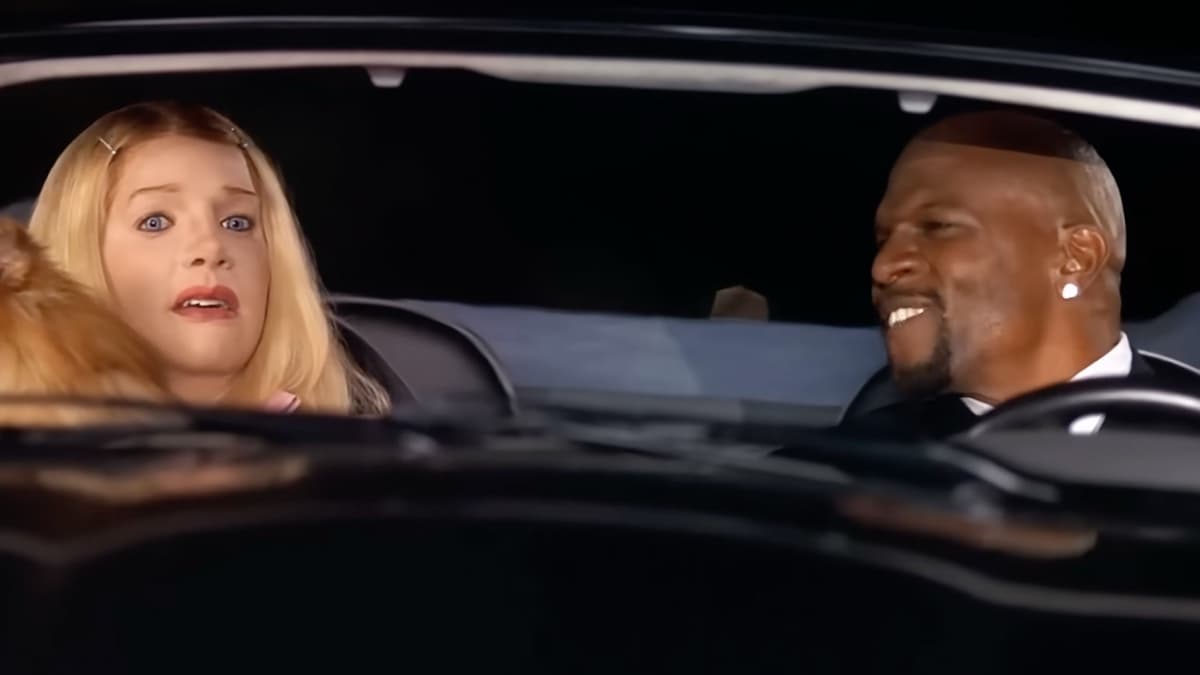
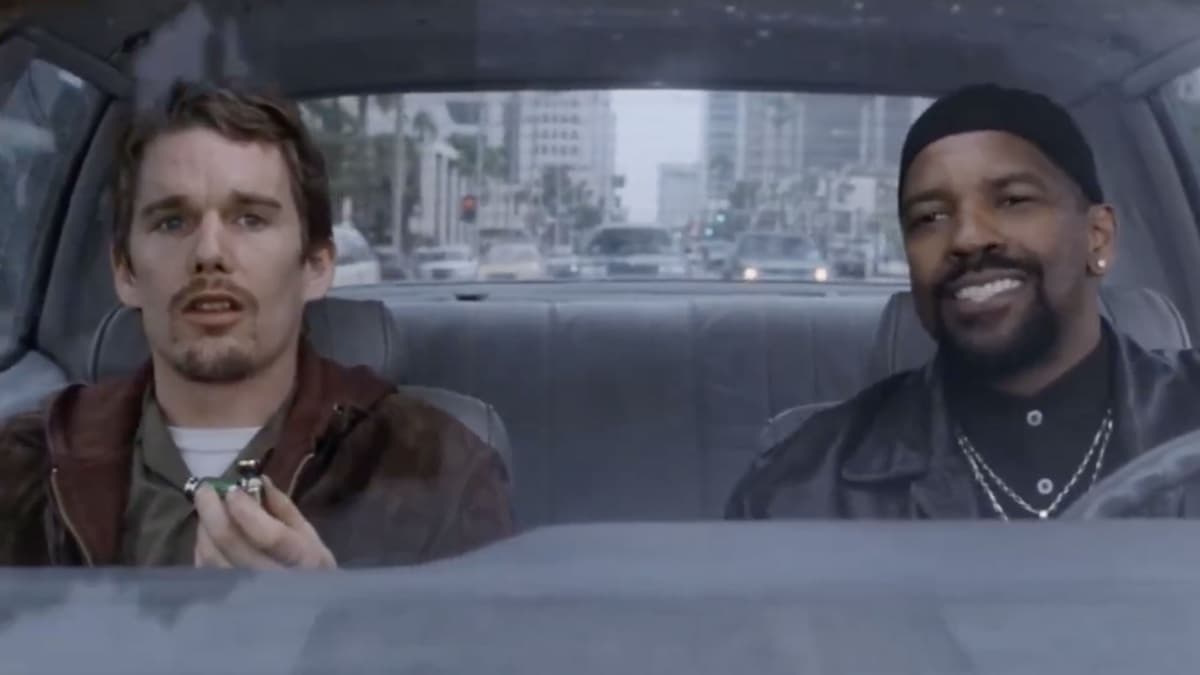
Short answer: two photos, left seat and right seat, into a template — or one swapped frame plus motion transfer if you want control. The source is the car scene from White Chicks (2004): Terry Crews' Latrell drives, sings every word of Vanessa Carlton's 'A Thousand Miles,' and taps his temple on 'and I miss you,' while his date — Marlon Wayans in disguise — holds a Pomeranian and stares at the road in horror. It's been a meme for a decade; what's new is that the two faces can be anyone's. The breakout was a World Cup edit in July putting Erling Haaland in the passenger seat and Vinícius Júnior at the wheel, which drew millions of views, a 'we need to recreate this' from Haaland, and — unusually for these trends — public delight from Terry Crews himself. This week's versions swap in filmmakers, a rugby coach, and the leads of Training Day. Here's the scene, the beats, both methods, and the rules.
Why this scene — it was a meme long before AI
Director Keenen Ivory Wayans told Bustle he wanted 'a female anthem… and also a song that no man, especially a black man, would know the lyrics to.' Crews knew it by heart: 'Now I was just feeling it.' The head-shakes to the violins and the watch-point were, by Bustle's account, moves he came up with after a nap. The scene has been re-performed by Crews on Lip Sync Battle in 2015, on America's Got Talent in 2021, and shirtless at Coachella this April during Sabrina Carpenter's set; Crews has said the movie 'was made for TikTok.' Carlton, asked about it in 2021: 'Oh, I always got the joke… we became friends because of it.' That history is why the AI version works — viewers already know every beat, so a new face in the seat is instantly legible. It's the Hotel Lobby logic again: a famous two-shot where only the people change.
The four beats every copy keeps
- 1. Wide shot through the windshield. Two people, night, streetlight sweeping across both faces.
- 2. Passenger side-eye. Dog in arms, eyes sliding toward the driver.
- 3. Driver close-up. Singing full-out, then the finger to the temple on 'and I miss you.'
- 4. Passenger frozen. Dead stare forward. Cut.
Eighteen seconds, horizontal. Cropping to vertical cuts someone out, which is why the versions that travel stay 16:9. Nobody's face, hair, or clothes get restyled — the movie's title is about its plot, not a makeover, and the templates preserve exactly who you upload.
Method A: the template (two photos, no prompt)
Starrd's White Chicks template, published September 26, is the one-click route: Photo 1 is the passenger (left seat, holds the dog, the side-eye and the stare); Photo 2 is the driver (right seat, sings, the temple tap). Swap the photos and the roles swap. One person per photo, front-facing, head and shoulders; the Pomeranian is generated. It costs 250 credits — about $12 at the smallest credit pack, closer to $9 if you buy a larger one — and Starrd's own pages disagree on whether the output is 15 or 18 seconds. Summrs has a preloaded template too (50 free credits on signup, plans from $15 a month; the specific template price isn't published). Starrd says the template runs on Seedance 2.0, which it calls 'the safest choice for keeping two faces consistent through cuts' — a vendor claim, but consistent with what we've seen on two-person scenes.
Method B: do it yourself (more control, one catch)
Two documented stacks. Starrd's: generate the opening still with both people in place, then animate it. Its verbatim still prompt:
A cinematic night-time shot through the windshield of a car, two people in the front seats. On the LEFT, in the passenger seat: the person from reference photo 1, holding a small fluffy Pomeranian in their arms, expression horrified, eyes sliding sideways toward the driver. On the RIGHT, behind the wheel: the person from reference photo 2, mid-song, joyful, fully committed. PRESERVE both people's exact identities, faces, hair and their own clothing; do not change either person's appearance. Warm streetlight passing across their faces. Horizontal 16:9. No text, no logos, no watermarks.
Atlabs' stack, published in August: swap the faces on a single frame with an image model ('Replace blonde woman in image1 with man in image2'), then run Kling Motion Control against the original clip so the car's bounce and the seatbelt survive. Its best line: 'Fix the frame before you animate. It is tempting to push a nearly right image into Kling and hope the motion hides the flaw.' The catch, from Kling's own user guide: Motion Control takes 'a single character motion reference' — 'for motion reference with two or more characters, the motion of the character occupying the largest portion of the frame will be used' — and Kling advises against references 'with cuts or camera movements.' So the windshield two-shot and the film's edit are outside what it's built for. The practical workaround is to treat each beat as its own shot: one still and one motion pass for the passenger side-eye, another for the driver close-up, then cut them together. Seedance 2.5's reference-to-video route — up to 30 reference images, 30 seconds a pass — handles both faces in one generation and is how our Hotel Lobby guide does the equivalent two-person swap.
What goes wrong
- Faces drift between beats. The close-up and the wide shot are different generations; approve the face in the wide shot first and reuse the same reference every pass.
- The dog mutates. It's generated, not uploaded. If it turns into a cat by beat four, re-run beat four alone.
- Vertical crops lose the passenger. Keep 16:9; the joke is the two-shot.
- Audio. The templates dub the original track. If you're publishing anywhere that fingerprints music, expect a claim — see below.
Rights: a studio's scene, a songwriter's song, and real faces
The scene belongs to Columbia Pictures and Revolution Studios, and 'A Thousand Miles' was written solely by Vanessa Carlton (Ron Fair and Curtis Schweitzer produced it). A template that dubs the track is not a license. The three things that distinguish this trend from the ones that get taken down: the people in the originals have embraced it — Crews, reacting to the AI World Cup edit in a FIFA video quoted by Ecuador's Primicias, said he'd realized it was artificial intelligence and couldn't believe it — the facial expressions looked that real; Carlton 'always got the joke'; Marlon Wayans told the Breakfast Club last year, 'I'm waiting for AI. I don't want to sit in makeup seven hours again' — the song's owner hasn't objected to twenty years of memes, and the copies that work put friends in the seats. The ones to avoid put real people who didn't agree in them: a filmmaker's complaint on X this week — 'What do you mean people are making AI slop of Lucrecia Martel and Mariano Llinás in a scene from White Chicks' — drew 35,000 views for a reason. Use faces you have permission to use, label it AI (TikTok, Instagram, and YouTube all require it for realistic depictions of people), and don't put a logo on it.
Our read
This is the most forgiving swap trend going, because the scene was built to be copied. Crews performed it himself for a decade before anyone could put a stranger in his seat; the studio made a comedy about disguise; the songwriter befriended the man who memed her hit. That goodwill is real but it isn't a license, and the technical lesson is the one that keeps recurring across this series: two-person scenes want a reference-to-video model that holds both identities at once, and motion-transfer tools built for one character need the work split by shot. Make it with two people who said yes, keep it horizontal, and the hardest part is choosing who sings. Our AI video ranking covers where Seedance and Kling stand for the rest of your projects.
Where these apps rank